The Quiet Grace of Kyoto’s Hidden Ryokans
Words by Elena Rostova • Photography by Marcus Vance
"To step over the stone threshold of an authentic Kyoto ryokan is to leave the noise of modern accelerating time outside."
1. The Philosophy of Omotenashi
In the historic Higashiyama district, behind unassuming wooden cedar gates, lies a world defined by subtle gestures and acoustic serenity. The Japanese concept of omotenashi—selfless hospitality—is not merely about service; it is an art form rooted in mindfulness and deep care for the guest's mental tranquility.
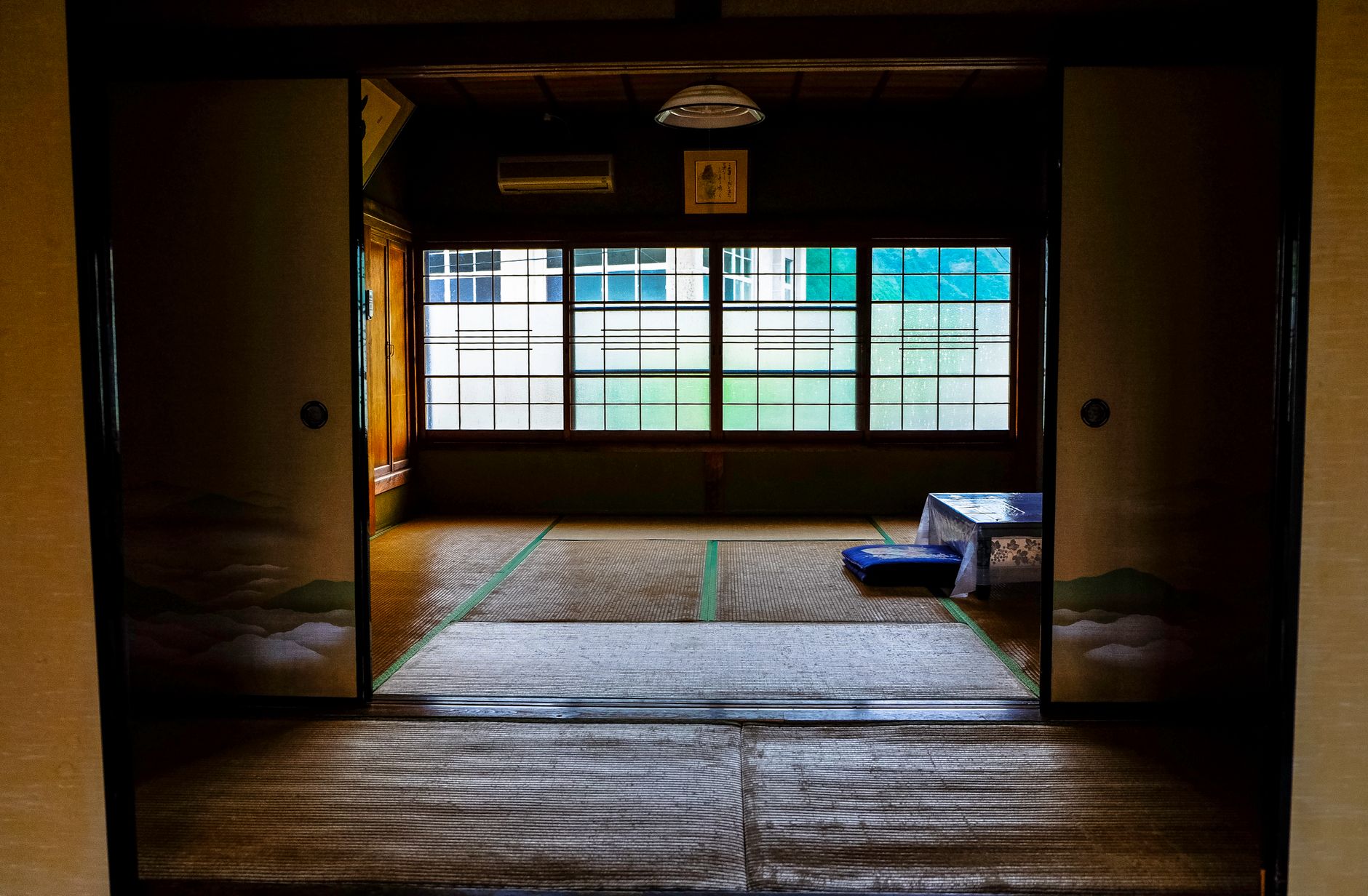
Upon arrival, shoes are exchanged for soft slippers, soft green tea is served alongside seasonal wagashi sweets, and the gentle rustle of tatami matting creates an immediate sense of grounding.
2. Architectural Shadows
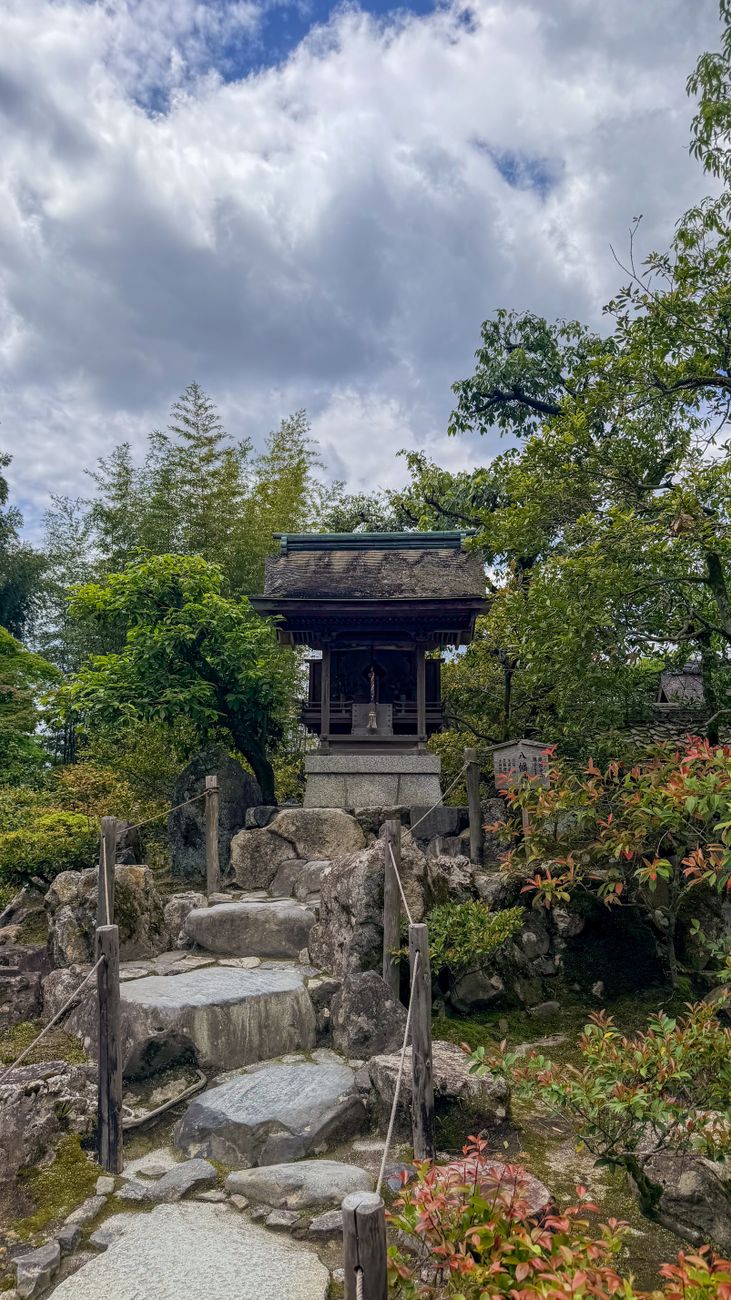 The morning light filtering through shoji screens at a 200-year-old inn.
As Jun'ichirō Tanizaki famously noted in In Praise of Shadows, traditional Japanese architecture finds beauty not in glaring light, but in subtle gradations of shadow. Sliding paper shoji screens diffuse the external sunlight, creating soft, warm tones that change slowly throughout the day.
3. Seasonality on a Plate
Dinner at a traditional ryokan is a multi-course kaiseki meal served in the privacy of your guest room. Every dish reflects the precise moment of the year—autumn maple leaves adorn delicate earthenware, while seasonal matsutake mushrooms and fresh river fish celebrate nature's immediate harvest.
Plan Your Kyoto Journey
Let 111111 arrange private stays in Kyoto's most exclusive ryokans.